Long-Stay Digital Nomad and Slow Travel Guide

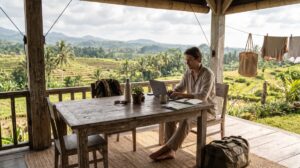
Modern remote professionals increasingly reject chaotic, fast-paced sightseeing trips in favor of extended stays in single destinations. Slow travel allows individuals to establish productive daily routines while engaging authentically with diverse international cultures. This intentional lifestyle shift enables workers to avoid the chronic exhaustion that frequently plagues traditional backpackers. Embracing longer stays also reduces logistical friction and helps individuals maintain stable professional workflows abroad. Understanding the core principles of slow travel empowers knowledge workers to design sustainable and rewarding global careers.
affiliate link
Key Takeaways
Cultural Immersion: Extended stays allow remote workers to build authentic connections and participate in everyday neighborhood life. Destivity
Financial Efficiency: Booking month-long residential accommodations significantly lowers daily housing expenses compared to frequent hotel hops. Destivity
Sustainable Pace: Slower travel intervals protect professional productivity and shield individuals from constant logistical burnout. Medium
Embracing Intentional Living Through Extended Community Immersion
Slow travel prioritizes personal connection and cultural depth over rushing through exhausting tourist checklists. When digital nomads remain in one neighborhood for several months, they build genuine friendships with local residents. Remote workers patronize family-owned markets, learn regional languages, and contribute directly to sustainable neighborhood economies. For example, nomads living in secondary cities across Southern Europe report deeper life satisfaction and enhanced creative focus. Anchoring in a singular community provides the comforting emotional stability that fast travel constantly disrupts.
Balancing Travel Flexibility With Career Productivity and Tax Rules
Some lifestyle commentators argue that staying in one city for months limits spontaneous adventures and exploration. Critics also point out that remaining abroad too long triggers complex international tax liabilities and residency obligations. Furthermore, navigating local apartment leases, banking systems, and medical networks requires extensive administrative effort and patience. Finding reliable high-speed internet and quiet workspaces in residential neighborhoods can also challenge remote employees. Consequently, travelers must carefully balance their desire for cultural immersion against practical legal requirements and career demands.
affiliate link
Leveraging Digital Nomad Visas for Sustainable Global Mobility
Over sixty nations now provide dedicated digital nomad visas that legally support extended professional stays. These modernized immigration frameworks allow remote professionals to reside overseas for up to two years without employment complications. Modern hospitality brands are redesigning long-term rentals with ergonomic home offices and verified fiber-optic internet connections. Industry forecasts suggest that slow travel partnerships between governments and remote workers will revitalize rural communities worldwide. These emerging systems will transform temporary tourism into collaborative, long-term global living arrangements over the next decade.
Conclusion
The widespread adoption of slow travel represents a profound evolution in how modern professionals navigate foreign countries. Choosing longer stays shields digital nomads from mental fatigue while creating meaningful connections with welcoming host communities. Although international tax laws and visa regulations demand proactive planning, the personal and financial rewards remain substantial. Expanding remote work opportunities will continue to make immersive, place-based living accessible to global workers. Committing to a deliberate, slower journey unlocks a richer and far more sustainable nomadic lifestyle.
https://fiscalfitnessflow.com/index.php/2026/03/03/remote-work-hubs-why-canada-india-are-hotspots/
https://www.meditationsciencehub.com/
Frequently Asked Questions
What distinguishes slow travel from standard digital nomadism?
Standard digital nomadism frequently involves moving between cities every few days or weeks to visit famous landmarks. In contrast, slow travel focuses on spending one to three months in a single neighborhood to live like a local resident. This deliberate approach emphasizes deep community relationships, predictable work routines, and minimized transit stress.
How do digital nomads manage local taxes during long international stays?
Most countries establish physical presence thresholds, often around 183 days, before foreign remote workers become local tax residents. Modern digital nomad visas frequently offer structured tax exemptions or simplified legal statuses for remote workers employed abroad. Consulting an international tax specialist ensures compliance with both home country laws and destination regulations.
affiliate link
Why is slow travel more affordable than traditional vacationing?
Booking monthly furnished rentals on residential platforms yields substantial discounts compared to nightly hotel rates. Extended stays also permit travelers to prepare home-cooked meals using local ingredients rather than dining out daily. Additionally, reducing the frequency of international flights and trains dramatically lowers overall transportation expenses.