Corporate Wellness Challenges To Boost Mental Fitness
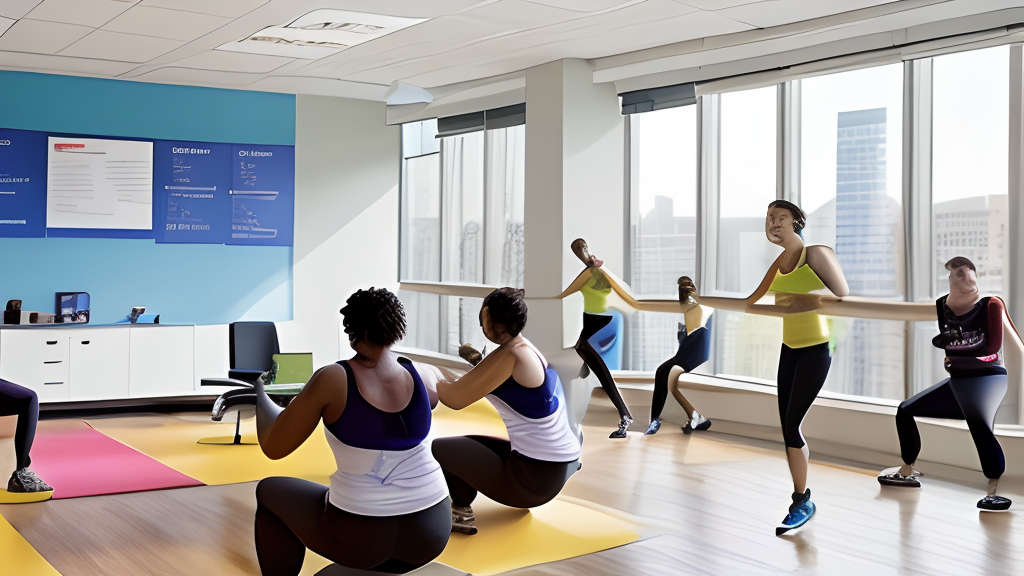
In today’s fast-paced corporate environment, mental and emotional fitness is as crucial as physical health. Employees with robust mental fitness tend to be more productive, creative, and resilient. In fact, a study by the American Psychological Association found that workplaces promoting mental well-being see a 13% increase in productivity.
Corporate wellness challenges are innovative programs designed to foster a healthier, more engaged workforce. These challenges focus on integrating habits that enhance mental resilience and emotional strength, turning stress management into a collective effort.
Implementing these challenges can lead to significant benefits, such as a reduction in sick days by up to 28% in just one quarter. By prioritizing mental well-being, companies can cultivate thriving teams and create a positive organizational culture.
affiliate link
Gratitude Reps
Gratitude Reps are an innovative corporate wellness challenge designed to cultivate a positive workplace culture. By encouraging employees to actively express appreciation, this challenge fosters a kinder, more considerate environment.
Practicing gratitude in the workplace has numerous psychological benefits. It enhances employee well-being, improves team dynamics, and can even boost productivity. When employees feel valued and respected, they are more likely to remain engaged and committed to their work.
Here are some activities employees can engage in as part of the Gratitude Reps challenge:
Gratitude Journaling Workshop: Encourage employees to reflect on what they’re thankful for, fostering a positive mindset.
Peer Recognition Challenge: Utilize platforms like Cooleaf to allow employees to acknowledge each other’s efforts.
Gratitude Circle: Create a space where team members can express appreciation towards one another, enhancing interpersonal connections.
By incorporating Gratitude Reps into your wellness program, you can create a supportive culture that promotes emotional well-being and reduces turnover rates.
Mindfulness Minutes
Understanding Mindfulness
Mindfulness is the practice of being present in the moment, which significantly enhances employee well-being and job performance. It helps reduce stress, improve emotional regulation, and boost focus and productivity. By incorporating mindfulness, employees can achieve greater job satisfaction and resilience.
Implementing Mindfulness Minutes
To integrate mindfulness minutes effectively in a corporate setting, start by assessing employee needs and securing leadership support. Develop a comprehensive plan that includes meditation sessions, breathing exercises, and mindful movement. Providing training and resources, such as workshops and guided meditations, can equip employees with necessary tools. Creating a supportive environment with designated quiet spaces is also crucial for success.
“Mindfulness at work not only reduces stress but also fosters a culture of empathy and collaboration,” says wellness expert Dr. Jane Smith.
affiliate link
Success Stories
Companies like Google and Salesforce have successfully implemented mindfulness initiatives, offering meditation classes and stress-reduction resources. These programs have shown tangible benefits, such as improved employee resilience and overall well-being, showcasing the positive outcomes of mindfulness in the workplace.
Resilience Sprints
Resilience sprints are short, intensive programs designed to boost both individual and organizational resilience, with a strong focus on stress management and overall wellbeing. These sprints, like the IMD Resilient Leadership Sprint, typically span two weeks, demanding a commitment of 1-2 hours daily. They offer evidence-based techniques to help employees manage stress and craft personalized action recovery plans.
Fostering resilience among employees can be achieved through various strategies. Prioritizing mental health and well-being initiatives, alongside encouraging C-suite guidance, are essential steps. Additionally, creating community support networks and investing in training can significantly enhance resilience.
| Resilience Activity | Benefit |
|---|---|
| Mindful Meditation | Reduces anxiety |
| Peer Support Groups | Builds community |
| Skill Development Workshops | Enhances adaptability |
Implementing resilience sprints involves:
Assessing employee needs and setting clear goals.
Providing resources and tools for stress management.
Encouraging ongoing feedback and iteration.
Building resilience is closely linked to reduced stress, as it empowers individuals to cope with adversity effectively. This, in turn, helps prevent stress-related health issues and fosters a more resilient workforce.
affiliate link
Micro-Coaching and Peer Support
Micro-coaching has emerged as a powerful tool in enhancing mental fitness within corporate environments. By offering targeted, brief coaching sessions, employees receive personalized guidance to manage stress and improve wellbeing. These sessions typically focus on developing strategies for stress management, resilience building, and maintaining a positive outlook. Resilience sprints often incorporate such coaching to reinforce learned skills and encourage personal growth.
Peer Support
Equally vital is the role of peer support in fostering a supportive workplace culture. Shout-outs and recognition from colleagues can significantly boost morale and create a sense of belonging. “Acknowledging team efforts not only uplifts spirits but also strengthens community bonds,” says an HR leader at a leading firm. This culture of appreciation encourages open communication and mutual support, essential for maintaining emotional health.
Examples of effective micro-coaching sessions include setting aside 10-15 minutes daily for focused discussions. These can range from addressing specific stressors to exploring new coping techniques. Additionally, creating peer support groups where employees can share experiences and solutions further enhances this approach. Together, micro-coaching and peer support pave the way for a healthier, more resilient workforce.
Tracking Progress and Rewarding Success
To ensure the success of corporate wellness challenges, it’s vital to effectively track progress and reward participation. Utilizing methods such as pulse surveys and interviews allows organizations to gather insights into employee engagement. Additionally, the Employee Net Promoter Score (eNPS) can be used to measure program effectiveness over time.
Rewarding successful participation is equally important. Creative incentives such as gift cards, charitable contributions, and paid time off can motivate employees to engage more actively. According to a 2022 report, wellness programs can reduce absenteeism by up to 16%, illustrating their impact.
| Reward Type | Impact |
|---|---|
| Gift Cards | Boosts morale and choice |
| Charitable Contributions | Enhances satisfaction |
| Paid Time Off | Promotes well-being |
With a 6:1 average return on investment, wellness programs not only lead to fewer sick days but also improve overall productivity, making them a wise investment for any company.
FAQs on Corporate Wellness Challenges
Implementing wellness challenges can seem daunting. Here, we address common concerns HR leaders may have.
Q: How can we ensure our wellness program is results-oriented?
A: Focus on measurable health outcomes rather than just activities. Utilize tools like data tracking and analysis to evaluate effectiveness.
Q: What if our program is too complex?
A: Simplify the process by offering straightforward initiatives, such as online classes or easy challenges that encourage participation without unnecessary complexity.
Q: How do we design effective incentive structures?
A: Use positive reinforcement instead of punitive measures. Incentives like rewards and gamification can motivate employees without coercion.
Q: Should we hire external experts for program success?
A: If internal resources are limited, consider hiring external experts to manage the program, ensuring it is backed by proper expertise and time investment.
By addressing these concerns, companies can effectively implement wellness challenges, fostering a healthier workplace culture.
https://fiscalfitnessflow.com/index.php/2025/10/14/juices-to-naturally-lower-blood-pressure/
Conclusion and Call to Action
Embracing corporate wellness challenges is a transformative step towards enhancing mental and emotional fitness in the workplace. These initiatives not only promote healthier lifestyles but also lead to tangible benefits like reduced sick days and improved employee morale. By implementing straightforward and engaging programs, HR leaders can foster a supportive and thriving workplace culture. Don’t let complexities deter you; start by simplifying processes and using positive reinforcement to encourage participation.
Ready to make a difference? Learn more about starting your own wellness program and transform your organization into a hub of well-being and productivity.