International Trade Finance Solutions: What You Need to Know
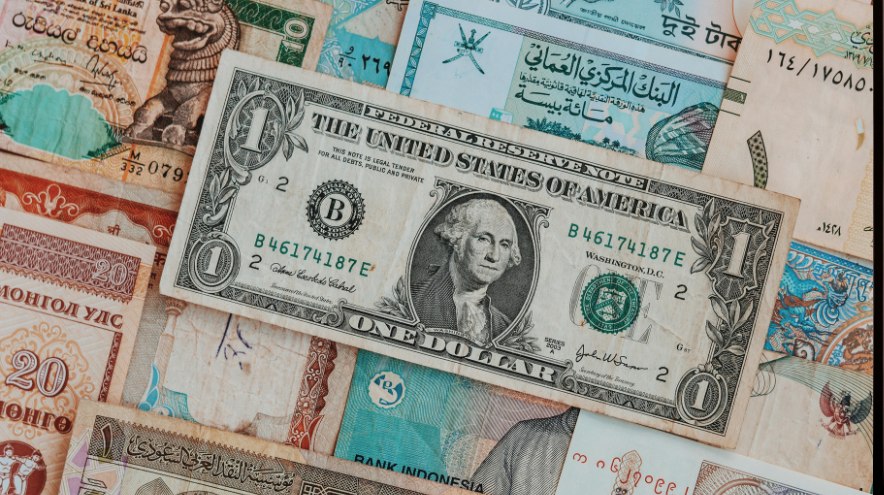
International trade is a crucial aspect of the global economy, allowing businesses to expand their reach and tap into new markets across the world. However, participating in international trade requires careful financial planning and management. This is where international trade finance comes into play. In this comprehensive guide, we will explore the key aspects of international trade finance and provide you with the necessary knowledge to navigate this complex field.
What is International Trade Finance?
At its core, international trade finance refers to the various financial instruments and services that facilitate international trade transactions. It involves the financing, risk mitigation, and payment mechanisms necessary to support the exchange of goods and services between buyers and sellers in different countries.
In international trade finance, the primary goal is to bridge the gap between the exporter’s need for payment and the importer’s need for protection against non-delivery or non-payment. This is achieved through a range of financial instruments, including letters of credit, documentary collections, and open account arrangements.
Key Takeaways:
International trade finance involves financial instruments and services that support international trade transactions.
The goal is to bridge the gap between the exporter’s need for payment and the importer’s need for protection against non-delivery or non-payment.
The Importance of International Trade Finance
International trade finance plays a crucial role in facilitating global commerce and driving economic growth. Without effective trade finance solutions, businesses would face significant challenges in engaging in international trade.
Why is International Trade Finance Important?
Risk Mitigation: International transactions involve a higher level of risk compared to domestic trade. Trade finance instruments such as letters of credit and documentary collections provide safeguards for both parties, reducing the risk of non-payment or non-delivery.
Working Capital Support: Trade finance provides businesses with the necessary working capital to fulfill orders and expand their operations. It ensures that businesses have access to the funds needed to manufacture, purchase, and transport goods without straining their cash flow.
Market Expansion: International trade finance enables businesses to enter new markets and tap into a wider customer base. By providing payment guarantees, it instills confidence in buyers and sellers, promoting trade relationships between countries.
Reduced Payment Delays: Trade finance instruments facilitate prompt payment by ensuring that funds are available when needed. This helps reduce delays in the supply chain and enhances cash flow for both exporters and importers.
affiliate link
Types of International Trade Finance
Various types of trade finance instruments are available, each serving a different purpose and offering distinct benefits to exporters and importers. Here are the three primary types of international trade finance:
1. Letter of Credit (LC): A letter of credit is a widely used trade finance instrument that provides a secure method of payment. It serves as a guarantee from the buyer’s bank to the seller that the funds will be available upon completion of the specified conditions and delivery of the goods or services. Letters of credit are especially valuable in high-risk transactions or when dealing with unfamiliar trading partners.
2. Documentary Collections: Documentary collections involve the use of banks as intermediaries to facilitate international trade. It operates on the basis of documents, such as bills of exchange and shipping documents. The bank acts as an agent for the seller, ensuring that the necessary documents are presented to the buyer’s bank in exchange for payment, or acceptance of a bill of exchange.
3. Open Account: In an open account arrangement, the exporter ships the goods and then invoices the buyer for payment at a later agreed-upon date. This type of trade finance involves a higher level of trust between the buyer and seller, as the exporter needs to rely on the buyer’s commitment to honor the payment terms.
How Does International Trade Finance Work?
The process of international trade finance involves several stages, from the initial negotiation of the trade agreement to the final settlement of payment. Here is a simplified overview of how international trade finance works:
https://www.investopedia.com/
1. Trade Agreement and Contract: The exporter and importer negotiate the terms of the trade agreement, including the payment method and negotiation of any trade finance instruments.
2. Application for Trade Financing: The exporter applies for trade financing with their bank or financial institution, providing the necessary documents and information related to the trade agreement.
3. Issuance of Trade Finance Instrument: If approved, the bank issues the selected trade finance instrument, such as a letter of credit or documentary collection instructions.
4. Shipment of Goods: The exporter ships the goods to the importer’s location according to the agreed-upon terms.
5. Presentation of Documents: The exporter submits the required trade documents, including invoices, bills of lading, certificates of origin, and any other relevant paperwork, to the bank.
6. Verification and Payment: The bank verifies the documents and either makes the payment to the exporter or presents the relevant documents to the importer for payment.
7. Settlement: The importer makes the payment as per the terms of the trade agreement, and the bank settles the transaction.
The Role of Banks in International Trade Finance
Banks play a vital role in facilitating international trade finance transactions. They act as intermediaries between exporters and importers, offering a range of financial services and instruments to support smooth and secure trade transactions.
The Role of Banks in Facilitating International Trade
Financing: Banks provide trade financing options to exporters, ensuring that they have access to the necessary funds to produce and ship their goods. This includes pre-shipment financing, post-shipment financing, and working capital support.
Risk Mitigation: Banks help mitigate the risks associated with international trade transactions by offering trade finance instruments such as letters of credit and documentary collections. These instruments provide assurance to both parties involved, ensuring payment security and mitigating the risk of non-payment or non-delivery.
Documentary Services: Banks provide a range of documentary services, including document handling, verification, and examination. They ensure that the required trade documents are in order and comply with the terms of the trade agreement before making payment or facilitating collection.
Advisory Services: Banks offer advisory services to businesses engaged in international trade, providing guidance on trade finance options, risk management, and compliance with international trade regulations.
Key Documents in International Trade Finance
Several essential documents are involved in international trade finance, ensuring transparency, legal compliance, and smooth transaction flow. Let’s explore some of the key documents used in international trade:
1. Commercial Invoice: The commercial invoice is a crucial document that provides a detailed description of the goods, their value, and the terms of sale.
2. Bill of Lading: The bill of lading is a transport document issued by the carrier or its agent, acknowledging the receipt of goods and providing evidence of the contract of carriage. It serves as proof of ownership and is often required for the release of goods at the destination port.
3. Certificate of Origin: The certificate of origin is a document that certifies the country of origin of the goods. It is essential for customs purposes and is often required to determine eligibility for preferential tariff treatment under trade agreements.
4. Packing List: The packing list provides a detailed breakdown of the contents and quantities of each package in a shipment. It helps ensure that the goods are properly accounted for and aids in the customs clearance process.
The Risks and Challenges in International Trade Finance
Engaging in international trade finance comes with inherent risks and challenges that businesses need to understand and manage effectively to ensure successful transactions. Let’s take a closer look at some of the risks and challenges in international trade finance:
Risks in Trade Finance:
Commercial Risk: The risk of non-payment or non-performance by either party involved in the trade transaction.
Currency Risk: The risk of fluctuating exchange rates impacting the value of the transaction.
Political and Country Risk: The risk of changes in political conditions, government regulations, or economic stability impacting the trade transaction.
Challenges in Trade Finance:
Legal and Regulatory Compliance: Navigating the complex legal and regulatory landscape of international trade, including compliance with trade agreements, customs regulations, and foreign exchange regulations.
Documentary Compliance: Ensuring that all necessary trade documents are prepared correctly, comply with legal requirements, and are presented within the required time frames.
Due Diligence: Conducting thorough due diligence on trading partners, ensuring their reliability and creditworthiness, to minimize the risk of non-payment or non-performance.
International Trade Finance and the Global Economy
The field of international trade finance has a significant impact on the global economy. Let’s explore how international trade finance influences the global economy:
How International Trade Finance Affects the Global Economy
Economic Growth: International trade finance facilitates cross-border trade, allowing businesses to expand their reach and tap into new markets. This drives economic growth by creating opportunities for job creation, investment, and technological advancement.
Global Supply Chains: International trade finance supports the complex network of global supply chains by providing the necessary funding and risk mitigation mechanisms. It ensures the smooth flow of goods and services across borders, contributing to the overall efficiency of supply chain operations.
Foreign Direct Investment (FDI): International trade finance plays a crucial role in attracting foreign direct investment. By providing financial solutions that reduce risk and enhance payment guarantees, it encourages multinational companies to invest in new markets and establish a presence in foreign countries.
Exchange Rate Stability: International trade finance helps stabilize currency exchange rates by facilitating trade transactions and minimizing the impact of exchange rate fluctuations. This contributes to market stability and fosters investor confidence in cross-border trade.
affiliate link
How to Get Started with International Trade Finance
If you’re considering engaging in international trade finance, here are some steps to help you get started:
Steps to Get Started
Research and Education: Gain a thorough understanding of international trade finance by conducting research, attending training programs, or consulting with trade finance experts.
Identify Financing Needs: Assess your business’s financing needs and determine the trade finance instruments that best align with your requirements.
Establish Relationships with Banks and Financial Institutions: Identify reputable banks and financial institutions with expertise in international trade finance. Establish relationships with them to access the necessary services and support.
Develop Risk Management Strategies: Implement risk management strategies, such as credit checks, insurance coverage, and legal advice, to mitigate potential risks in international trade.
Stay Informed: Stay up to date with the latest developments in international trade finance, regulatory changes, and market trends. This will help you adapt your strategies and make informed decisions.
International Trade Finance Tools and Resources
To navigate international trade finance successfully, it is crucial to leverage the right tools and resources. Here are some valuable resources for international trade finance:
Useful Tools and Resources for International Trade Finance
1. Trade Finance Platforms: Online platforms that connect exporters, importers, and trade finance providers, facilitating trade finance transactions.
2. Trade Credit Insurance: Insurance products that provide coverage against non-payment or non-performance by buyers, protecting businesses against the risk of trade transactions.
3. Trade Finance Associations: Organizations and associations that provide resources, training, and networking opportunities for professionals in the field of international trade finance.
4. Government Agencies: Government agencies, such as export credit agencies, that offer trade finance programs and support to businesses engaged in international trade.
affiliate link
Best Practices in International Trade Finance
To ensure successful international trade finance transactions, it is essential to follow best practices. Here are some tips for successful international trade finance:
Tips for Successful International Trade Finance
Thorough Due Diligence: Conduct comprehensive due diligence on potential trading partners to assess their reliability, creditworthiness, and compliance with international trade regulations.
Clear Communication: Establish clear communication channels with all parties involved in the trade transaction to ensure smooth coordination and timely resolution of any issues.
Compliance with Documentation Requirements: Familiarize yourself with the required trade documents, their formats, and compliance requirements. Ensure that all documents are prepared accurately and submitted within the specified time frames.
Monitor Market and Currency Fluctuations: Stay informed about market trends and currency fluctuations that may impact your trade transaction. Implement risk management strategies, such as hedging, to minimize the impact of these fluctuations.
https://fiscalfitnessflow.com/index.php/2025/11/27/trade-policies-shaping-our-world-today/
Conclusion
International trade finance serves as the backbone of global commerce, enabling businesses to expand their horizons and engage in cross-border trade. Understanding the key aspects of international trade finance, including the various financial instruments, risks, and challenges, is essential for businesses seeking to thrive in the global marketplace. By leveraging the tools, resources, and best practices outlined in this guide, you can navigate the complexities of international trade finance and unlock new growth opportunities for your business.
FAQs
1. What is international trade finance?
International trade finance refers to the financial services, products, and mechanisms that facilitate international trade transactions. It helps exporters and importers manage risks, enhance cash flow, and ensure smooth cross-border trade operations.
2. Why is trade finance important for businesses engaging in international trade?
Trade finance is crucial because it mitigates risks such as currency fluctuations, political instability, and credit risks. It provides businesses with necessary funding, enables timely payments, and helps maintain stable supply chains.
3. What are some common trade finance products and services?
Common trade finance products include letters of credit, export credit, trade credit insurance, and factoring. These services help secure transactions, provide working capital, and protect against non-payment.