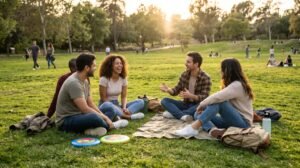
Free Things to Do With Friends: 15 Zero-Cost Ideas

When we want to catch up with our close friends on a Friday night, our options seem increasingly restricted to noisy bars and expensive restaurants. Across modern cities, commercial spending requirements have steadily replaced free community spaces, leaving many of us exhausted by twenty-dollar cocktails and ballooning dinner bills. This commercialization of adult socialization exacerbates an unprecedented loneliness epidemic, making genuine human connection feel like an expensive luxury rather than an essential human need. By intentionally reclaiming the concept of the third place, we can build meaningful weekend traditions that nourish our social bonds without emptying our wallets. Exploring free social alternatives empowers us to cultivate fulfilling adult friendships anchored in shared experiences rather than financial transactions.
affiliate link
Key Takeaways
Commercialization Fuels Social Isolation: The decline of non-commercial third places turns casual social interaction into a financial burden, exacerbating widespread adult loneliness. Bubblic
Structured Activities Lower Social Friction: Transitioning from costly dining to organized activities like park potlucks and clothing swaps eliminates awkward spending disparities among peers.
Intentional Hosting Rebuilds Community Infrastructure: Converting living rooms, public parks, and neighborhood libraries into recurring gathering spots provides sustainable, long-term social connection without consumer pressure.
Understanding Third Place Erosion and the Rise of Free Social Spaces
Sociologist Ray Oldenburg originally defined third places as public environments distinct from home and work where community members gather for conversation and companionship. Over recent decades, rapid commercialization and urban restructuring have privatized these essential gathering spots, transforming everyday socializing into a fee-for-service transaction. According to the American Psychiatric Association (2026), forty-two percent of American adults report feeling lonely at least weekly, representing an acute rise from previous years. Furthermore, data from the World Health Organization (2025) underscores that persistent social isolation carries severe global public health consequences that rival traditional chronic physical illnesses. Consequently, organizing deliberate zero-dollar gatherings has become a vital grassroots strategy for restoring social connection without requiring financial expenditure.
Navigating Logistics and Social Friction in Zero-Dollar Gatherings
While cost-free socializing offers clear financial relief, coordinating non-commercial events presents distinct logistical hurdles and interpersonal friction. Home-based gatherings often transfer substantial cleaning, preparation, and hospitality burdens onto a single host, leading to eventual social fatigue. Research published by the American Institute for Boys and Men (2025) reveals that twenty-five percent of young men experience daily loneliness, yet many struggle to participate in unstructured group environments. In addition, inclement seasonal weather frequently limits access to outdoor municipal parks, while public venues like community libraries often enforce strict noise constraints. Without proactive rotating responsibilities and clear group communication, casual free gatherings can quickly unravel due to logistical ambiguities or uneven host contributions.
affiliate link
Organizing Low-Cost Hangouts and Non-Drinking Activities for Friends
Establishing a vibrant zero-dollar social calendar requires choosing structured, low-friction activities that naturally encourage open dialogue and camaraderie. Community organizers increasingly establish monthly clothing swaps, run clubs, and neighborhood walking tours that eliminate alcohol consumption and commercial dining costs entirely. Studies from the Cigna Group (2025) demonstrate that participating in shared, interest-driven group routines significantly reduces loneliness scores among sixty-seven percent of young adults. Friends can effortlessly organize park picnics or cooperative game nights by having each attendee utilize items already present in their home pantries. As community interest grows, leveraging local resources for free activities for groups near me will fundamentally reshape how modern adults foster lasting friendships.
| # | Category & Setting | Hangout Activity | Execution Protocol on a Zero-Dollar Budget |
|---|---|---|---|
| 1 | Outdoor | Sunset Park Potluck Picnic | Gather blankets and bring pantry-staple snacks or home-prepped finger foods. |
| 2 | Outdoor | Neighborhood Walking Tour | Map a five-mile scenic or architectural walking loop through historic local districts. |
| 3 | Outdoor | Community Run or Stroll Club | Meet at a public track or trail for accessible, self-paced exercise and conversation. |
| 4 | Outdoor | Public Park Lawn Games | Bring a frisbee, bocce set, or soccer ball to an open municipal green space. |
| 5 | Outdoor | Stargazing & Night Sky Watch | Drive to an unlit public overlook with blankets and a free constellation-tracking app. |
| 6 | At-Home | Cooperative Board Game Night | Dust off classic tabletop strategy games and host a casual evening of group play. |
| 7 | At-Home | Wardrobe & Book Clothing Swap | Have friends bring five gently worn garments or finished books to exchange freely. |
| 8 | At-Home | “Chopped” Pantry Cook-Off | Combine leftover ingredients already in your cupboards to invent creative new dishes. |
| 9 | At-Home | Living Room Vinyl Listening Party | Take turns sharing favorite full album records or curated digital music tracks. |
| 10 | At-Home | Documentary & Popcorn Marathon | Stream a compelling free public broadcast documentary accompanied by homemade popcorn. |
| 11 | Urban & Cultural | Free Museum Admission Days | Visit civic art galleries and history institutions during designated complimentary hours. |
| 12 | Urban & Cultural | Public Library Maker Workshops | Explore free 3D printers, craft tools, and guest lecture series at your central library. |
| 13 | Urban & Cultural | Local Volunteer Project | Join an animal shelter dog-walking session or participate in a public trail cleanup. |
| 14 | Urban & Cultural | Farmer’s Market Stroll | Browse open-air stalls, enjoy live busker music, and sample seasonal vendor treats. |
| 15 | Urban & Cultural | Historic City Scavenger Hunt | Create a photo challenge locating hidden plaques, monuments, and murals downtown. |
Reclaiming the third place through zero-dollar hangouts reminds us that authentic social fulfillment never requires buying overpriced drinks or enduring noisy commercial venues. When we create intentional gathering spaces in our homes and public parks, we actively dismantle the financial barriers that isolate so many in our communities. By prioritizing consistent, shared human experiences over performative consumption, we insulate our friendships against social inflation and deepen our emotional resilience. We possess the collective agency to redefine adult socialization as an accessible, nurturing sanctuary rather than a recurring financial burden. This coming weekend, let us text our friends, bypass the crowded cocktail bar, and invite them to share an afternoon in the park.
https://fiscalfitnessflow.com/index.php/2025/12/16/corporate-wellness-challenges-to-boost-mental-fitness/
https://serenity7wellness.com/index.php/2026/11/04/the-third-place-deficit-rebuilding-modern-community/
Frequently Asked Questions
How can adults socialize for free without going to bars?
Adults can socialize for free by organizing shared activities that do not center on consumption. Host living room board game sessions, coordinate park potluck picnics, join local walking clubs, or organize community clothing swaps. These alcohol-free settings foster deep interpersonal dialogue without demanding expensive commercial bar tabs.
What is a third place and why is it disappearing?
A third place is a social anchor outside of home and employment, such as public parks, libraries, and civic clubs. These non-commercial spaces are disappearing due to urban privatization, rising commercial rents, and digital lifestyle shifts, which forces modern adults into expensive, consumer-driven venues to find basic human connection.
How do you plan a zero-spend weekend with friends?
To plan a zero-spend weekend, propose a specific, engaging activity in advance to eliminate indecisive spending. Suggest meeting at a local nature reserve, scheduling a book exchange, or hosting a pantry potluck. Frame the invitation around genuine relaxation and quality conversation rather than financial deprivation.