E-Commerce Trends: Boost Your Business Now
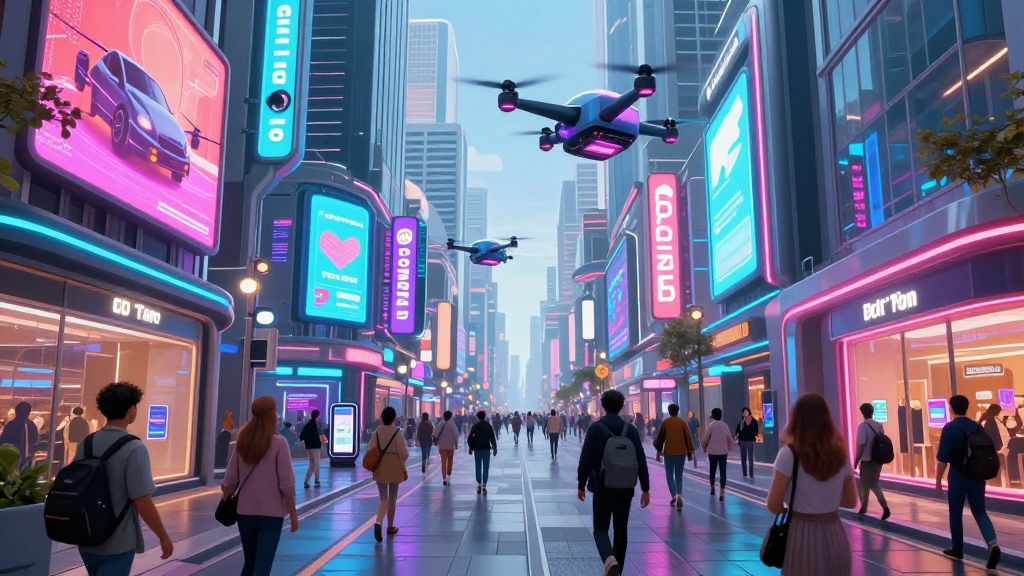
Welcome to our blog post on the future impact of e-commerce. As the popularity of online shopping continues to grow, it’s important for retailers to stay informed about the emerging trends and technological shifts that will shape the future of retail. In this post, we will explore five e-commerce trends that will have a significant impact on your future. From personalized shopping experiences to the rise of voice-activated shopping, there are many exciting developments in the world of e-commerce. So, let’s dive in and discover what the future of online retail holds.
affiliate link
The Future Impact of E-Commerce
The increasing popularity of e-commerce will have a significant impact on the future of retail. E-commerce is expected to continue growing and taking a larger market share in the coming years. Traditional brick-and-mortar retailers will need to adapt and incorporate e-commerce strategies to stay competitive. The convenience and accessibility of online shopping will drive consumer behavior and shape the future of retail. E-commerce will also impact supply chain management and logistics, driving efficiency and innovation.
Emerging E-Commerce Trends
Here are some of the emerging e-commerce trends that will shape the future of online shopping:
Personalized shopping experiences: Retailers will focus on providing customized recommendations and personalized shopping experiences to enhance customer satisfaction and loyalty.
Mobile e-commerce: With the increasing reliance on smartphones and tablets, mobile e-commerce will continue to rise, offering a convenient and accessible shopping experience on the go.
Social media integration: Social media platforms will play a crucial role in e-commerce, allowing for seamless product discovery and sharing, leading to increased conversions.
Omnichannel retailing: Consumers expect a seamless shopping experience across multiple platforms, and retailers will need to adopt omnichannel strategies to meet these expectations.
Voice-activated shopping: Devices like Alexa and Google Home will see increased adoption, enabling shoppers to make purchases using voice commands.
affiliate link
The Evolution of Online Shopping
Online shopping has revolutionized the way consumers buy products, offering convenience and a wide range of options. The rise of e-commerce has given rise to new business models such as dropshipping and subscription-based services.
Virtual reality (VR) and augmented reality (AR) technologies will enhance the online shopping experience. Customers will have the ability to virtually try on clothing and accessories or visualize how a piece of furniture would look in their home.
Artificial intelligence (AI) and machine learning will be used to personalize recommendations and improve customer service. With AI-driven algorithms, customers can receive tailored product suggestions based on their previous purchases and browsing history.
Online marketplaces will continue to grow, providing consumers with a one-stop-shop for all their needs. Platforms like Amazon and eBay offer a vast selection of products from various sellers, making it easier for customers to compare prices and find what they’re looking for.
The evolution of online shopping has also brought about the rise of mobile commerce. With the increasing use of smartphones and tablets, more people are opting to make purchases on their mobile devices. Retailers need to optimize their websites and provide a seamless mobile shopping experience to cater to these customers.
In conclusion, online shopping has come a long way and will continue to evolve. With advancements in technology and changing consumer preferences, retailers must adapt and embrace these changes to stay competitive in the e-commerce landscape.
Digital Retail Innovations

Blockchain technology will transform the way transactions are made, providing transparency and security.
Chatbots and virtual assistants will become more sophisticated, providing personalized customer support.
Automated warehouses and fulfillment centers will streamline the supply chain and improve order fulfillment.
Social commerce will gain traction, allowing consumers to make purchases directly through social media platforms.
Same-day and drone deliveries will become more common, offering faster and more convenient shipping options.
E-Commerce Technological Shifts
Artificial intelligence (AI) will play a crucial role in optimizing e-commerce operations and improving efficiency.
Machine learning algorithms will be used to analyze data and gain insights into customer preferences and behavior.
Internet of Things (IoT) devices will enable personalized and automated shopping experiences.
Big data analytics will be utilized to understand consumer trends and make data-driven business decisions.
Enhanced cybersecurity measures will be implemented to protect customer data and combat online fraud.
The Changing Landscape of E-Commerce
affiliate link
Traditional retail stores will need to adopt an omnichannel approach to remain relevant in the digital age. With the increasing popularity of e-commerce, brick-and-mortar retailers must integrate online platforms and strategies to stay competitive.
Artificial intelligence (AI) will play a crucial role in enabling hyper-personalization and targeted marketing in e-commerce. Retailers can leverage AI algorithms to analyze customer preferences and behavior, delivering personalized product recommendations and offers.
Voice commerce will become more prevalent as voice-activated devices, like Alexa and Google Home, facilitate seamless shopping experiences. Consumers will be able to make purchases and manage their shopping through voice commands.
Sustainability and ethical practices will become increasingly important in e-commerce. Consumers are placing more value on environmentally friendly and socially responsible brands, prompting retailers to adopt sustainable practices.
The role of influencers and social media marketing will continue to grow in e-commerce. Influencer marketing allows brands to reach and engage with their target audience through trusted personalities, driving awareness and sales.
The Future of Digital Retail
Virtual reality (VR) shopping experiences will become more immersive and realistic.
Augmented reality (AR) will enable customers to try products before buying them online.
Artificial intelligence (AI) will power personalized product recommendations and virtual shopping assistants.
Subscription-based retail models will see continued growth, offering convenience and personalized experiences.
Data-driven marketing strategies will become the norm, allowing retailers to target customers with precision.
https://www.coursera.org/
https://fiscalfitnessflow.com/index.php/2026/01/01/unlocking-luxury-with-fractional-ownership/
Conclusion
The future of retail is undeniably being shaped by the increasing popularity and growth of e-commerce. Traditional brick-and-mortar retailers must adapt and incorporate e-commerce strategies to stay competitive in a constantly evolving market. The convenience and accessibility of online shopping are driving consumer behavior and the expectations for seamless shopping experiences continue to rise. Emerging trends such as personalized shopping, mobile e-commerce, and social media integration are transforming the way consumers engage with brands.
The evolution of online shopping, with advancements in technologies like virtual reality and artificial intelligence, is enhancing the overall online shopping experience. Digital retail innovations, such as blockchain technology and chatbots, are revolutionizing transactions and customer support. The future of e-commerce will see even more technological shifts, with AI, IoT, and big data analytics playing significant roles.
Retailers must embrace these changes and invest in technology to meet the demands of the digital age. Adapting to e-commerce trends and providing seamless and personalized customer experiences will be key in driving loyalty and success in the future of retail.
FAQs
1. What are the key e-commerce trends currently shaping the industry?
The e-commerce landscape is evolving rapidly, with several trends driving change. Key trends include personalization of shopping experiences, the rise of mobile commerce, the integration of artificial intelligence and machine learning, the importance of sustainability, and the growth of social commerce.
2. How is personalization affecting e-commerce?
Personalization in e-commerce involves customizing the shopping experience to meet individual customer preferences. This trend is driven by data analytics and AI, allowing businesses to offer tailored recommendations, personalized marketing, and unique user experiences, which lead to increased customer satisfaction and loyalty.
3. Why is mobile commerce gaining popularity?
Mobile commerce, or m-commerce, is gaining traction due to the widespread use of smartphones and tablets. It enables consumers to shop conveniently from anywhere, at any time. Optimized mobile platforms and apps are crucial for businesses to capture the growing number of mobile shoppers.