Homemade Keto Electrolyte Drink: Easy DIY Recipe Guide
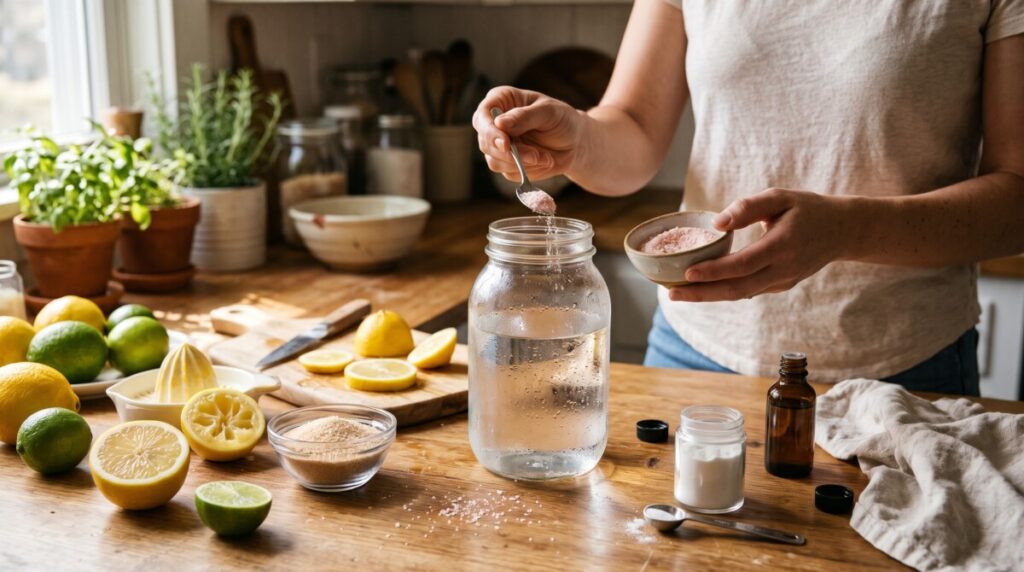
When we transition to a ketogenic lifestyle, we often hit a frustrating wall of fatigue, dizzy spells, and painful leg cramps. In our clinical coaching experience, we see people mistakenly assume this “keto flu” is a natural rite of passage rather than acute mineral depletion. The reality is that commercial electrolyte mixes charge outrageous premiums while sneaking in unnecessary artificial fillers, maltodextrin, and negligible mineral doses. By learning to formulate our own mineral blends at home, we gain total control over ingredient purity, dosing precision, and daily energy. Here is the physiological science behind low-carbohydrate mineral dynamics and how to craft the perfect daily drink.
affiliate link
Key Takeaways
Carbohydrate restriction dramatically lowers circulating insulin, prompting the kidneys to excrete vital sodium and water through the natriuresis of fasting.
Commercial sports drinks fail low-carb dieters because they lack adequate sodium and potassium while relying on fillers and hidden sugars.
A balanced homemade blend provides cost-effective, bioavailable mineral salts tailored to individual hydration needs without digestive distress.
Why carbohydrate restriction accelerates mineral loss in ketosis
Restricting dietary carbohydrates depletes glycogen stores and significantly reduces circulating blood insulin levels across bodily tissues. Because insulin directly signals the renal tubules to reabsorb sodium, its absence causes the kidneys to rapidly flush out both sodium and free water (The Journal of Clinical Investigation). This sudden renal clearance forces cells to surrender intracellular potassium and magnesium in an effort to maintain osmotic equilibrium throughout the vascular system. Without sufficient replenishment, reduced blood volume triggers common symptoms like postural lightheadedness, throbbing tension headaches, and neuromuscular irritability (American Journal of Physiology). Crafting a targeted mineral solution addresses this underlying fluid deficit directly at the cellular level.
Common DIY electrolyte mixing errors and digestive pitfalls
Formulating mineral drinks at home requires careful measuring, as incorrect elemental ratios frequently trigger severe gastrointestinal distress. Consuming an entire teaspoon of unbuffered sodium or potassium chloride in a small glass of water draws rapid fluids into the bowel, causing immediate osmotic diarrhea (Digestive Diseases and Sciences). Furthermore, many beginners mistakenly use poorly absorbed magnesium oxide, which functions primarily as a harsh laxative rather than providing systemic cellular replenishment. Dieters taking prescription medications such as ACE inhibitors or potassium-sparing diuretics must exercise extreme caution, because excessive potassium ingestion can provoke life-threatening cardiac arrhythmias (Circulation). Diluting mineral salts thoroughly in plenty of water and sipping them gradually across the day remains essential for gut comfort and safe absorption.
affiliate link
How to make a balanced homemade keto electrolyte drink daily
Creating a functional mineral drink requires simple, food-grade ingredients combined in biologically appropriate ratios. A standard daily formula combines roughly one-half teaspoon of natural sea salt, one-quarter teaspoon of potassium chloride, and a half-teaspoon of elemental magnesium glycinate powder dissolved in one liter of filtered water (Journal of the International Society of Sports Nutrition). Adding two tablespoons of fresh lemon juice and a few drops of pure liquid stevia improves palatability without breaking ketosis or elevating blood sugar. Drinking this mixture steadily throughout working hours preserves vascular tone, maintains exercise stamina, and prevents nocturnal muscle cramping. Looking forward, emerging personalized hydration sensors will soon allow individuals to monitor real-time sweat losses and customize their daily recipes with laboratory accuracy.
Conclusion
Navigating ketosis should enhance our physical stamina and sharpen our mental clarity, never leaving us exhausted on the couch fighting relentless muscle spasms. In our ongoing exploration of metabolic nutrition, we have discovered that conquering hydration transforms low-carbohydrate living into a sustainable, energizing lifestyle. Mixing your own mineral solutions liberates you from overpriced, under-dosed supplement packets while ensuring pure physiological support. We suggest picking up basic food-grade salts this week, mixing your first clean batch tomorrow morning, and experiencing how effortlessly vibrant energy can truly feel.
https://fiscalfitnessflow.com/index.php/2026/11/02/ultra-processed-food-protocol-spot-and-cut-upfs-fast/
https://focusofwellness.com/index.php/2025/10/02/better-heart-health-with-these-7-recipes/
Frequently Asked Questions
What ingredients are in a homemade keto electrolyte drink?
affiliate link
A homemade keto electrolyte drink typically combines unrefined sea salt for sodium, potassium chloride powder, and bioavailable magnesium glycinate or malate. These clean mineral salts dissolve easily in filtered water alongside fresh lemon juice and zero-calorie liquid stevia for clean daily hydration.
Will drinking a DIY electrolyte drink break my ketosis?
No, a DIY electrolyte drink will not break ketosis if formulated with pure mineral salts and unsweetened flavorings. Because minerals contain zero carbohydrates, calories, or protein, they provoke no insulin response, allowing your body to remain in deep ketosis and cellular repair.
How much sodium do I need daily on a ketogenic diet?
Most healthy adults following a ketogenic diet require between 3,000 and 5,000 milligrams of total sodium daily to offset increased renal excretion. Spreading this intake evenly across meals and diluted homemade drinks ensures stable blood pressure without causing sudden digestive upset.