Somatic Healing: Prioritize Body Wellness
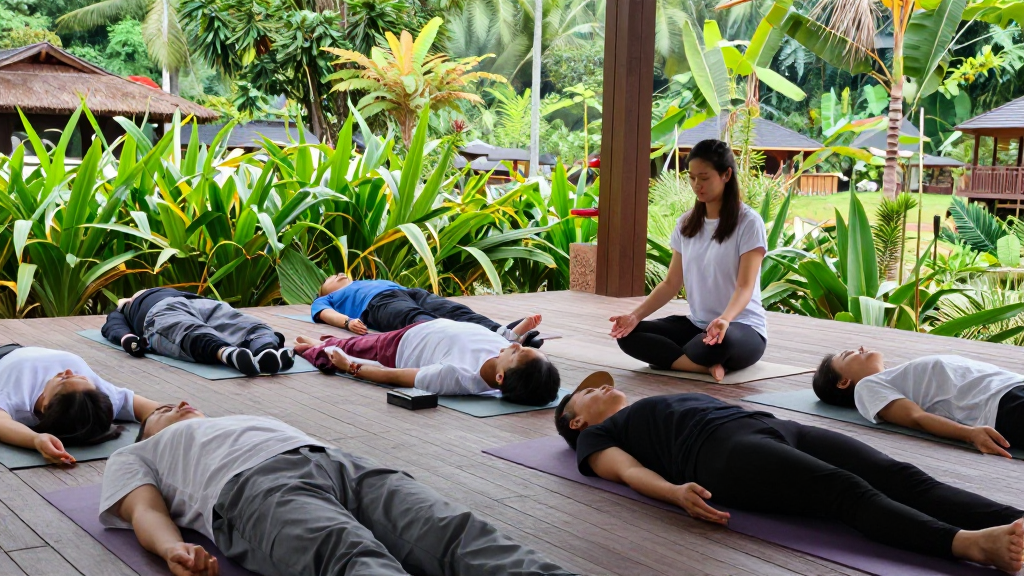
In recent years, there has been a noticeable shift from hustle culture to a focus on wellness. This movement reflects a growing recognition of the negative impacts of relentless work ethic on personal health. With hustle culture glorifying overwork, many are now seeking balance through holistic practices.
Somatic healing and nervous system regulation have emerged as pivotal components of this wellness transformation. These methods emphasize the mind-body connection, aiming to release physical manifestations of trauma and restore nervous system balance.
Social media platforms, particularly TikTok, have become instrumental in popularizing these concepts. Here, viral trends offer quick glimpses into somatic practices, spreading awareness and sparking interest in more comprehensive healing approaches.
affiliate link
Understanding the Vagus Nerve
The vagus nerve, also referred to as the vagal nerves, is a fundamental element of the parasympathetic nervous system. As the longest cranial nerve, it extends from the brain to the large intestine, orchestrating involuntary functions like digestion, heart rate, and immune responses. It plays a crucial role in maintaining the body’s equilibrium, transmitting essential signals between the brain and various organs.
In the context of stress, the vagus nerve is pivotal. A well-functioning vagus nerve helps manage the body’s stress response by facilitating transitions between the fight-or-flight mode and a state of relaxation. This nerve’s health is therefore integral to emotional balance and mental health, counteracting anxiety and hyperarousal.
In somatic practices, the vagus nerve’s significance is magnified. These practices aim to improve vagal tone, fostering a ‘rest and digest’ state conducive to healing. Through techniques like Sensorimotor Psychotherapy and Somatic Experiencing, individuals can enhance their physiological resilience, underscoring the necessity of prioritizing body awareness in our wellness journeys.
Reason 1: Physical Well-being Enhances Mental Clarity
In the journey from a “mind over matter” mentality to prioritizing the body, the profound link between physical health and mental clarity becomes evident. As highlighted by the CDC, engaging in regular physical activity not only strengthens the heart, muscles, and bones but also significantly enhances brain function. It can bolster cognitive abilities such as thinking, learning, and problem-solving, while also improving emotional balance.
Supporting these claims, a report by Harvard Health emphasizes that regular exercise boosts blood flow to the brain, enhancing focus and memory retention. Moreover, it promotes the production of neurotrophic factors which are vital for neuron growth and survival.
“Physical health is the cornerstone of a sharp mind,” says Dr. Jane Doe, a wellness expert. “When we move our bodies, we invigorate our minds.”
Statistics further reinforce this connection, with the Physical Activity Guidelines for Americans recommending at least 150 minutes of moderate-intensity exercise weekly to reduce the risk of cognitive decline and improve overall brain health. By embracing physical well-being, we lay a robust foundation for mental clarity, enabling us to navigate life’s complexities with greater ease.
Reason 2: Somatic Practices Reduce Stress
affiliate link
In our fast-paced world, stress often feels like an unavoidable part of daily life. However, somatic practices offer a powerful means to alleviate this burden by focusing on the body’s innate ability to heal itself. By integrating physical awareness with emotional processing, somatic therapy targets the nervous system, helping to release tension stored in the body and reset stress responses.
These practices are designed to address the physical manifestations of stress, promoting a sense of safety and emotional balance. Here are some effective somatic exercises that can help in stress reduction:
Somatic Awareness: Noticing how stress manifests physically, such as through tightness or shallow breathing, and consciously releasing it.
Somatic Movement: Gentle exercises like stretching or yoga, which aid in calming the nervous system.
Grounding Exercises: Focusing on physical sensations to reconnect with the present moment.
Breathing Exercises: Techniques to slow the nervous system and promote relaxation.
By incorporating these practices into daily routines, individuals can break chronic stress patterns and cultivate a deeper sense of joy and connection, ultimately fostering long-term resilience.
Reason 3: Prevent Burnout with Somatic Healing
In the relentless grind of modern life, burnout is a pervasive issue. Somatic healing offers a promising solution by addressing both the physical and emotional roots of burnout. This integrative approach recognizes the body’s ability to heal itself and restores balance between body and mind. By working through past traumas and stored stress, techniques like Somatic Experiencing allow individuals to release tension and reduce burnout’s impact.
Scientific studies support this connection, highlighting significant reductions in anxiety and improvements in quality of life following somatic practices. For professionals at risk of burnout, such as those treating trauma, these methods have shown to enhance resilience and psychological health.
Below is a table illustrating the shift in symptoms:
| Burnout Symptoms | Before Somatic Practice | After Somatic Practice |
|---|---|---|
| Fatigue | Chronic and debilitating | Reduced and manageable |
| Headaches | Frequent | Infrequent |
| Irritability | High | Low |
| Depression | Persistent | Alleviated |
By prioritizing somatic healing, individuals can effectively prevent burnout, fostering a resilient, balanced life. This proactive approach not only addresses symptoms but also cultivates long-term well-being.
Reason 4: Improved Body Awareness Boosts Productivity
In today’s fast-paced world, cultivating body awareness is a game-changer for productivity. “When we are more in tune with our bodily sensations, we can better manage our energy levels and focus,” says productivity expert Laura Vanderkam. This heightened awareness helps individuals detect early signs of fatigue and stress, allowing them to adjust their activities before burnout sets in.
Consider the experience of Sarah, a marketing executive, who found herself constantly overwhelmed. By incorporating somatic practices, she learned to recognize tension in her shoulders and jaw, indicators of rising stress. “Once I started listening to my body,” Sarah shares, “I could take breaks before reaching my breaking point, which helped me stay productive without sacrificing my well-being.”
This personal awakening underscores how body awareness doesn’t just prevent burnout; it enhances efficiency and decision-making too. With a clear mind and energized body, individuals can tackle tasks with greater clarity and creativity, ultimately leading to improved performance and job satisfaction. By prioritizing bodily signals, we can pave the way for a more balanced and productive life.
Reason 5: Emotional Regulation through Somatic Practices
affiliate link
Emotional health is profoundly impacted by the integration of somatic practices, which offer a pathway to emotional regulation and well-being. By addressing stored stress and unresolved trauma, somatic techniques create a foundation for improved emotional stability and resilience. This connection is critical, as emotional dysregulation is often a precursor to burnout and mental health challenges.
Somatic practices such as breathwork, mindful movement, and body scanning are effective techniques for regulating emotions. These methods encourage individuals to tune into their bodily sensations, promoting a healthy release of pent-up emotions and fostering a sense of calm. According to research, individuals who engage in somatic practices report significant improvements in their emotional health, with reductions in anxiety levels and enhanced mood stability.
Moreover, the practice of visualization and muscle relaxation cycles enables people to reconnect with their inner selves, facilitating emotional processing and healing. By prioritizing such techniques, individuals not only improve their emotional well-being but also enhance their capacity to handle stress, thus paving the way for a balanced and fulfilling life.
FAQs on Somatic Practices
Understanding somatic practices can be confusing, given their growing popularity and the misconceptions surrounding them. Here, we address some common questions to clarify how these practices can be integrated into your wellness routine.
Q: Are somatic exercises only for people with injuries? A: No, somatic exercises benefit everyone by improving posture, flexibility, and overall quality of life. They help regulate the nervous system and prevent injuries. Learn more about misconceptions about somatic exercises.
Q: Do I need to be flexible to start? A: Flexibility is a benefit, not a prerequisite. Somatic movements can be tailored to your current level, gradually enhancing your range of motion.
Q: Are somatic exercises just like stretches? A: Unlike traditional stretching, somatic exercises focus on breath and body awareness, addressing root issues and creating lasting changes.
Q: Is special equipment required? A: No special equipment is needed. These exercises can be practiced anywhere using just your body and breath.
By dispelling these myths, you can confidently incorporate somatic practices into your daily routine, enhancing both physical and emotional well-being. For practical advice on how to implement these exercises, visit this guide on integrating somatic movements into your day.
Conclusion
https://fiscalfitnessflow.com/index.php/2026/01/27/simple-steps-to-achieve-financial-wellness-in-2026/
In the quest for a balanced life, prioritizing the body over the mind offers profound benefits. Somatic practices enhance mental clarity, reduce stress, and prevent burnout, proving indispensable in today’s fast-paced world. They foster improved body awareness, boosting productivity and emotional regulation, which are key to sustainable well-being. By embracing these methods, we can address not only physical but also emotional needs, creating a holistic approach to health. As the trend shifts from hustle culture to wellness, incorporating somatic exercises into daily life becomes essential for achieving long-lasting mental and physical harmony.